Physical Address
304 North Cardinal St.
Dorchester Center, MA 02124
Physical Address
304 North Cardinal St.
Dorchester Center, MA 02124

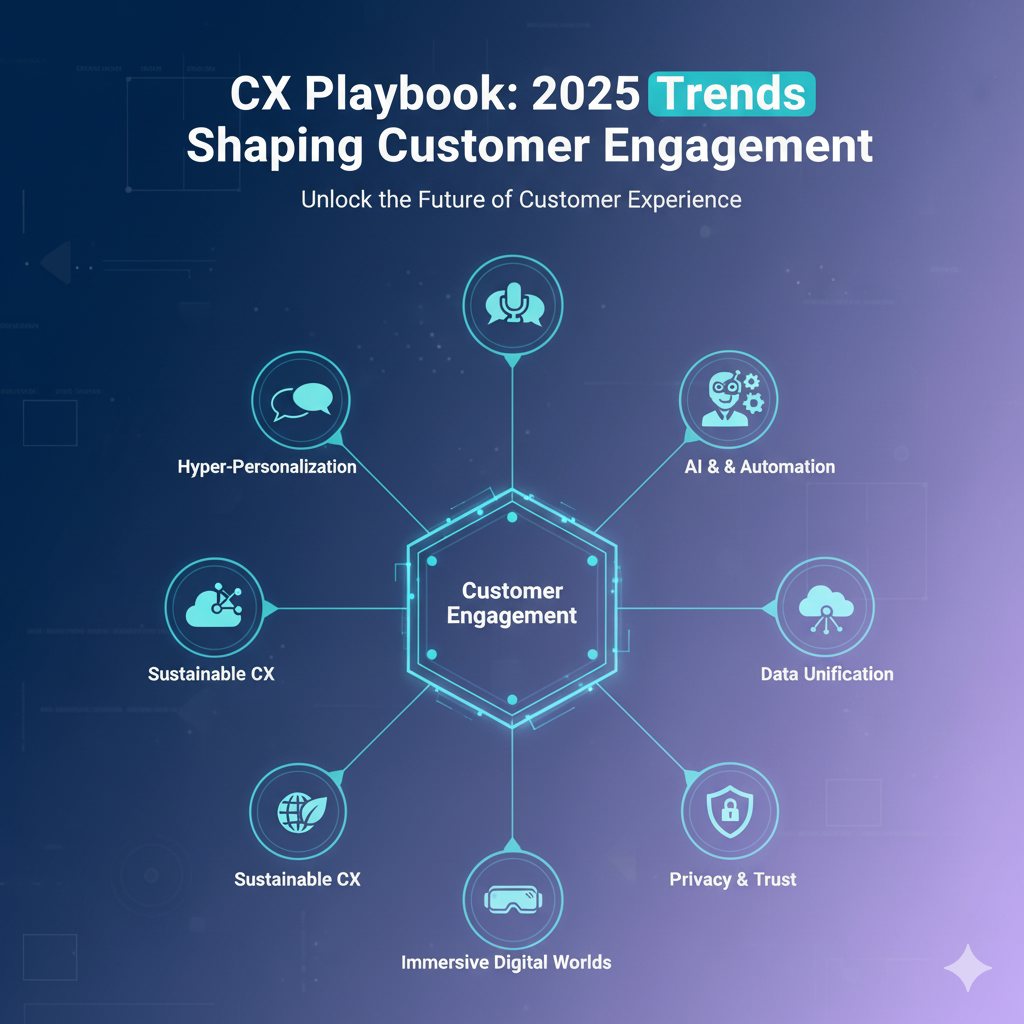
Customer expectations aren’t just rising — they’re constantly reshaping the rules of engagement. For teams running personalization and MarTech platforms (RT-CDPs, journey orchestration, analytics), staying ahead means combining technology, privacy, and design into experiences that feel effortless and relevant. Here are the trends shaping CX today — and practical actions your team can take.
Modern personalization is less about segments and more about real-time individual context. With unified customer profiles—ingested and stitched by CDPs—brands can deliver offers and content that reflect a customer’s most recent behaviors and intent.
Action: Build real-time profile updates (events → streaming ingestion) so personalization decisions reflect the last interaction — not last week’s campaign.
Privacy regulation and consent expectations are forcing teams to design personalization that’s respectful and traceable. Rather than blocking personalization, smart consent management enables targeted experiences that respect preferences.
Action: Implement preference centers and store consent signals in your profile layer. Use consent-aware audiences for both online and offline channels.
Generative models are being used to draft hyper-relevant microcopy, product descriptions, email subject variants, and even to suggest next-best actions in journeys. When combined with context from a unified profile, GenAI scales personalization with quality.
Action: Use GenAI to create test variants; always pair outputs with human review and guardrails for brand voice and accuracy.
Customers expect continuity across web, mobile, email, contact centers, and in-store. Orchestration platforms that leverage a single customer profile ensure consistent messaging and coordinated timing.
Action: Map common journeys and synchronize state across channels (e.g., “cart abandoned” → pause other promotions for 24 hours).
Predictive scoring and intent models let brands be proactive — surfacing offers or support before a problem escalates. This increases loyalty and reduces friction.
Action: Deploy predictive models for churn, lifetime value, and product affinity — and wrap them with explainability for ops teams.
Conversational interfaces (chatbots, voice) are maturing. When backed by profile data and journey context, they can resolve issues quickly and surface personalized recommendations.
Action: Integrate conversation state with the profile store so virtual agents see recent transactions and content exposures.
Traditional metrics (last-click, opens) are insufficient. Experience analytics that tie signals across touchpoints — path analysis, time-to-resolution, friction metrics — provide a more holistic view.
Action: Instrument key micro-interactions and use journey analytics to identify drop-off moments and optimize them.
Headless CMS, API-based CDPs and composable stacks let teams iterate faster and swap components without ripping up architecture. This reduces time-to-market for experiments.
Action: Prioritize API-first vendors and build a small “experience layer” to decouple frontend testing from backend systems.
Brands that combine inclusivity and ethics into CX design win trust. Accessibility, clear data usage explanations, and bias audits for models are no longer optional.
Action: Add accessibility checks into your release process and run a bias review for any model that influences offers or pricing.
Running CX at scale needs ops — governance, content lifecycle, model monitoring, and campaign automation. ExperienceOps closes the loop between strategy and execution.
Action: Create runbooks, SLAs, and automated tests for personalization rules and data flows.